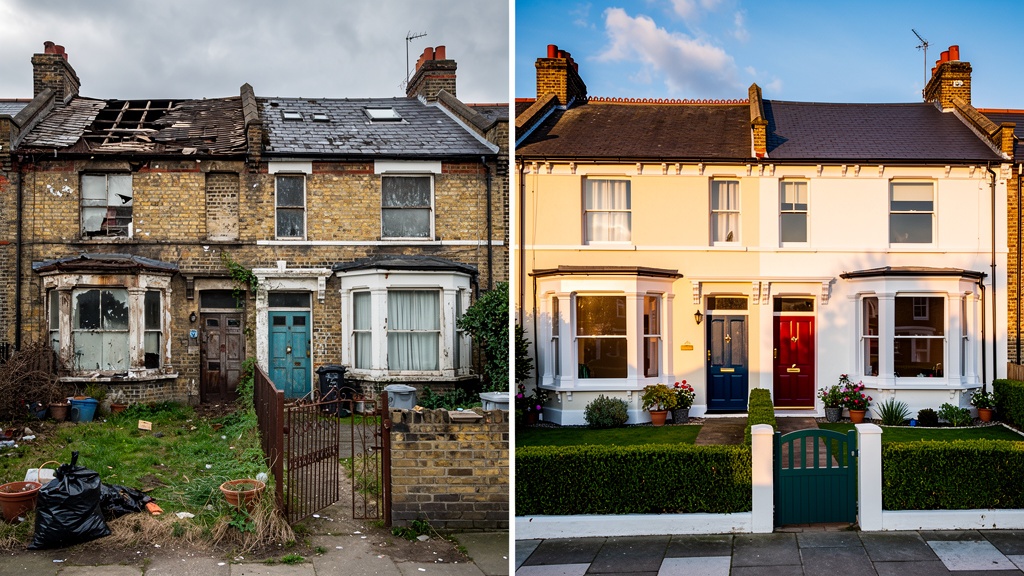
West London is full of Victorian and Edwardian properties ripe for renovation. Period terraces in Brackenbury Village, Ravenscourt Park, Fulham, and Chiswick regularly come to market in need of modernisation, extension, or full structural overhaul. The potential is real — but so are the risks.
Here's what our RICS surveyors look for when assessing a renovation project property, and why getting this right could save you tens of thousands of pounds.
Why a Standard Homebuyer Report Isn't Enough for a Project Property
If you're buying a renovation project, a Level 2 Homebuyer Report almost certainly isn't sufficient. It's designed for properties in reasonable condition — not for buildings with multiple issues that need assessing in detail.
For a project property, you need a Level 3 Building Survey. This is our most thorough inspection, where we examine every accessible element of the building, describe defects in detail, and provide advice on repair options and estimated costs.
When you're planning a renovation budget, precision matters. A vague "damp present" comment in a report is not the same as a detailed assessment of penetrating damp through the rear elevation, likely caused by failing render, estimated cost to remedy £4,000–£6,000. The latter is what you actually need.
The 7 Areas Our Surveyors Focus on in Renovation Properties
1. The Roof Structure and Covering
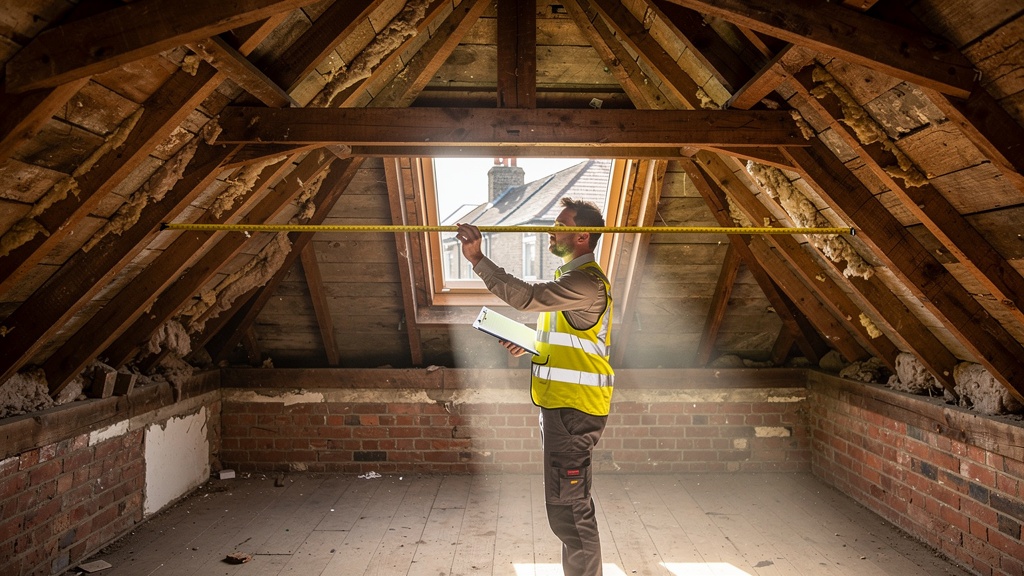
In Victorian properties, roof problems are extremely common and often expensive to fix properly. Our surveyors assess the condition of slate or tile covering, the lead flashings around chimneys and parapets, the state of the roof timbers, and whether any unauthorised alterations have compromised the original structure.
A full roof replacement on a Victorian terrace in Hammersmith can cost £12,000–£25,000. Knowing this before you buy — not after — completely changes your negotiating position.
2. Structural Movement and Cracking
West London's clay subsoils mean that subsidence and settlement are genuine concerns. Not all movement is serious — Victorian terraces often show historic settlement that stabilised decades ago — but distinguishing this from active subsidence requires an experienced eye.
Our surveyors examine crack patterns, locations, and widths in detail. Where there's uncertainty, we recommend specialist structural engineer investigations before exchange.
3. Damp — All Types
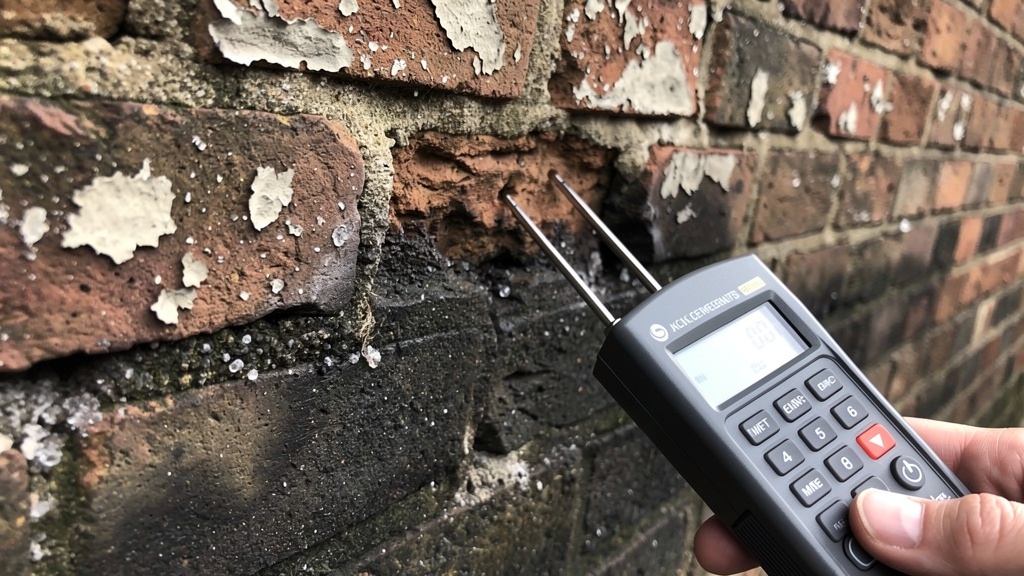
Renovation properties frequently present with damp of one form or another. Rising damp, penetrating damp, and condensation all have different causes and very different costs to fix. Getting the diagnosis right is critical — damp-proofing companies have a commercial interest in recommending expensive treatments; our surveyors have an interest only in giving you accurate advice.
We use calibrated moisture meters and thermal imaging where appropriate, and we always explain what we think is causing the problem — not just that it exists.
4. The Drainage System
Victorian properties often have original clay drainage that's deteriorated significantly over 100+ years. Partially blocked or collapsed drains aren't visible in a visual survey — we recommend a CCTV drain survey as an add-on to any building survey on a project property, particularly if ground-level extensions or basement conversions are planned.
Drain repairs can range from a few hundred pounds for a rodding access point to £10,000+ for a collapsed main drain under a concrete floor slab.
5. Electrical and Heating Systems
Older renovation properties often have partial or full rewires needed, and original heating systems that are beyond economic repair. While our survey isn't a full electrical inspection (you'll need a qualified electrician for that), we flag clearly where wiring appears to be of significant age, where fuse boards need upgrading, and where the condition of services raises safety concerns.
6. Timber — Floors, Joists, and Windows
Timber decay in Victorian properties is common, particularly in ground floor joists where sub-floor ventilation has been compromised. We check access hatches where possible, and note where floor movement suggests joist issues beneath. Window frames, sills, and lintels also require careful assessment — original timber can be repaired, but many project properties have had poor-quality repairs or replacements that create their own problems.
7. Planning History and Building Regulations
One of the most valuable things a survey reveals is evidence of unauthorised work. Extensions built without planning permission, loft conversions without Building Regulations sign-off, or structural alterations made without proper oversight are all potentially costly liabilities. Our surveyors flag any works that appear to have been carried out without the necessary consents, so you can make enquiries with the local authority before exchange.
How the Survey Changes Your Renovation Budget
The best way to use a building survey on a project property is as a budgeting tool. Our reports include repair cost guidance — not precise contractor quotes, but realistic cost ranges based on current West London market rates — which allows you to build a more accurate renovation budget.
We've seen cases where buyers have reduced purchase prices by £30,000–£50,000 on the strength of survey findings, using the report to justify a renegotiation. We've also seen buyers who've withdrawn from purchases after survey findings revealed structural issues far beyond their budget. Both outcomes are valuable — the survey paid for itself many times over.
Surveyor's Tip
Always instruct your surveyor before you've finalised your renovation budget, not after. The survey should inform your budget — not be treated as a formality once the budget is set. If the survey reveals significant issues and your budget is already stretched, you'll be in a much weaker position.
Extensions and Alterations: What the Survey Tells Future Buyers
If your renovation plan includes a rear extension, loft conversion, or basement dig, the survey findings on the existing structure are doubly important. Understanding the current condition of party walls, foundations, and roof structure before you start planning works saves time, money, and potential disputes with neighbours.
For any works that affect shared walls with neighbours, you'll need to comply with the Party Wall Act 1996 — our surveyors can advise on this alongside your building survey.
What to Ask Your Surveyor Before Instructing
When you contact us about a survey on a renovation property, it's helpful to tell us:
- The approximate age of the property and its construction type
- Any works you're aware of (or planning) — loft conversion, extension, basement
- Any specific concerns flagged in the estate agent's details or during your viewing
- Your provisional renovation budget
This helps us tailor the scope of the inspection and ensure the report addresses the things most relevant to your plans.
The Bottom Line
A renovation project in Hammersmith or West London can add significant value — but only if you go in with your eyes open. A thorough Level 3 Building Survey is not a cost; it's an investment that protects you from the single biggest risk in project property buying: not knowing what you're actually taking on.
At Hammersmith Surveyors, we've surveyed hundreds of project properties across W6, W4, SW6, W12, and beyond. We know what to look for, how to explain it clearly, and how to help you make the right decision.
Thinking of Buying a Renovation Project?
Get a Level 3 Building Survey from our RICS-accredited team. We'll give you the full picture before you commit.
Get a Free Quote