Damp is the word that haunts every buyer of a Victorian home — and with good reason. In our experience at Hammersmith Surveyors, damp-related issues appear in the majority of pre-1920 properties we survey across West London. But here's what most buyers don't know: not all damp is equal. Some types are inexpensive to fix. Others can cost tens of thousands of pounds. And some instances of "damp" are actually just condensation — not a structural problem at all.
This guide will help you understand the different types of damp, what to look for when viewing a property, and what a proper survey will tell you.
The Three Main Types of Damp in Victorian Properties
1. Rising Damp
Rising damp occurs when ground moisture travels upward through a wall by capillary action. Victorian terraces were built with a damp-proof course (DPC) — typically a layer of slate or engineering bricks — to prevent this. Over 120+ years, these original DPCs can crack, be bridged by render or raised external ground levels, or simply fail.
Signs to look for:
- Tide-mark staining on lower walls, typically up to around 1 metre high
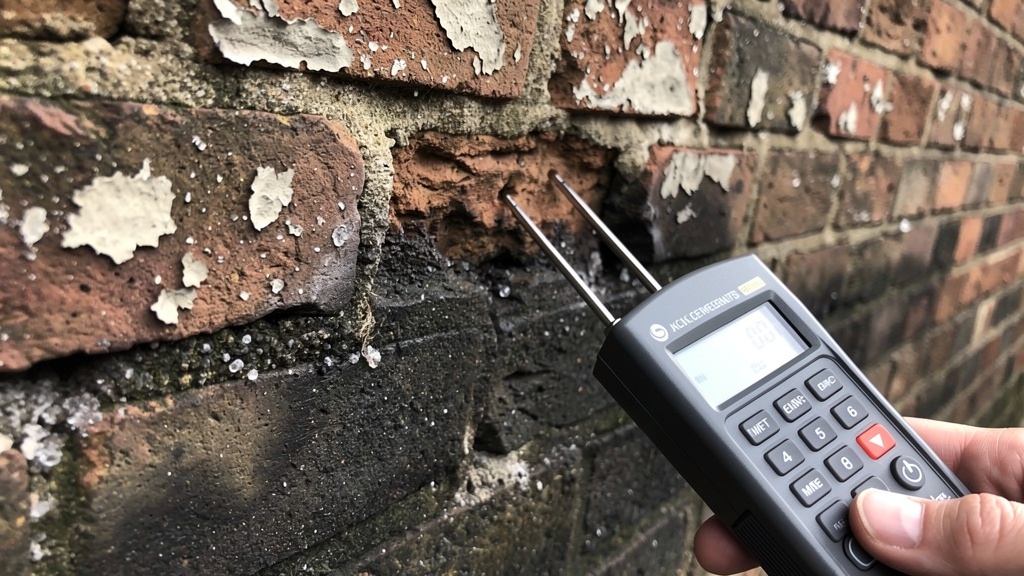
- White crystalline salt deposits (efflorescence) on plaster
- Bubbling, flaking, or blown plaster at lower wall levels
- Musty smell in ground-floor rooms
- Damp readings on a survey meter that are higher at the base of a wall
Cost to fix: Genuine rising damp often requires a chemical injection DPC (£500–£2,000 per run of wall) plus re-plastering of affected areas. Total costs for a typical terrace can reach £5,000–£15,000.
Word of warning: The damp-proofing industry is rife with companies that diagnose "rising damp" in cases of condensation or penetrating damp, then sell expensive remedial works that aren't needed. Always get a second, independent opinion from a professional surveyor before commissioning any damp-proofing works.
2. Penetrating Damp
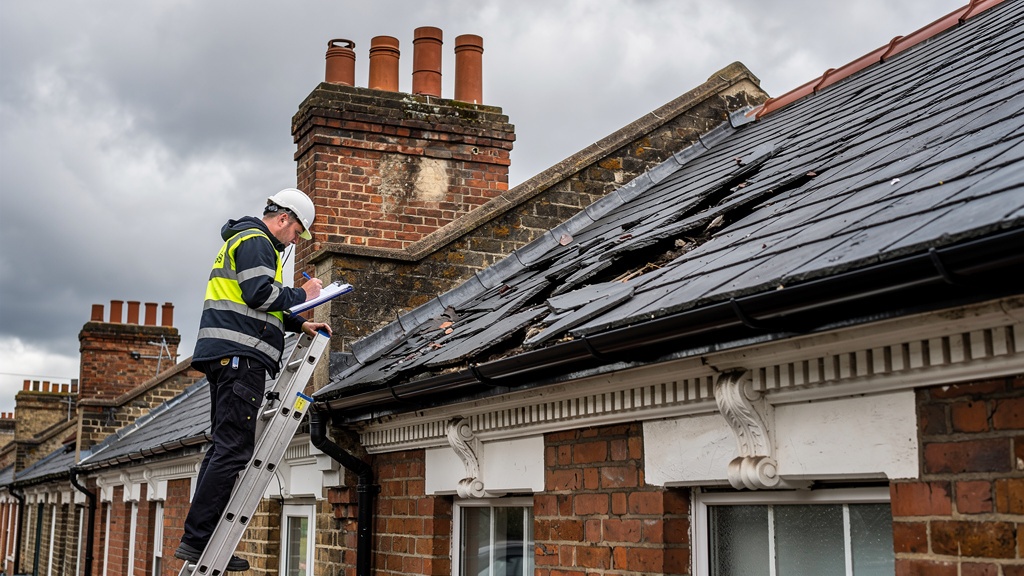
Penetrating damp enters through the fabric of the building — failed pointing, cracked render, defective gutters, leaking roof flashings, and window frame failures are all common culprits. In solid-walled Victorian properties (as opposed to cavity-wall construction), rain-driven penetrating damp is a particular risk.
Signs to look for:
- Damp patches that appear after heavy rain and dry out in dry weather
- Staining on walls below window sills or near chimney breasts
- Staining on ceilings directly below roofs or flat roof areas
- Damp patches on internal walls of the top floor
Cost to fix: Depends entirely on the source. Repointing a chimney might cost £500–£2,000. Replacing a failed flat roof over a rear extension could cost £3,000–£8,000. Repointing an entire Victorian terrace could run to £10,000+.
3. Condensation
Condensation is the most common cause of apparent damp in residential properties — and it's often misdiagnosed as rising or penetrating damp. It occurs when warm, moist air meets a cold surface and deposits water. In Victorian homes with solid walls, poor insulation, and original single-glazed windows, condensation can be severe.
Signs to look for:
- Black mould growth, particularly in corners, on cold external walls, and around window reveals
- Mould behind furniture positioned against external walls
- Musty smell particularly in poorly ventilated rooms
- Damp that doesn't have a clear "tide mark" pattern
Cost to fix: Often much less than structural damp — improved ventilation, secondary glazing, or upgraded insulation can resolve most condensation issues. However, if mould has penetrated into building fabric, replastering may be needed.
How a Survey Identifies Damp
During a Level 3 Building Survey, our surveyors use a calibrated damp-meter to take readings across wall surfaces. We distinguish between genuine moisture ingress and high readings caused by plaster salts — a common false positive that less experienced surveyors misread. We also inspect roof coverings, gutters, flashings, pointing, and drainage — because identifying the source of damp is as important as identifying its presence.
"I surveyed a property in Brook Green where the vendor had freshly replastered the ground-floor front room. New plaster read as damp on the meter, but there was no actual moisture ingress. The buyer would have paid for unnecessary damp-proofing works had they not had the survey."
Should Damp Put You Off Buying?
Not necessarily. Damp is common in Victorian properties, and a property with damp issues isn't automatically a bad buy. The key questions are:
- What's the cause? (Fixable roof leak vs. severe rising damp are very different propositions)
- How extensive is the damage to building fabric?
- Has the vendor disclosed it? (Non-disclosure can have legal implications)
- Can you negotiate a price reduction to cover remediation costs?
Damp FAQs
Can I test for damp before the survey?
You can buy a basic damp meter for £20–£50. It won't give you professional-grade readings, but it can flag obvious moisture hotspots worth asking questions about before you commit to a survey.
Will the surveyor tell me the cost to fix damp?
In a Level 3 Building Survey, yes — we provide approximate cost guidance for all defects found. In a Level 2 report, we flag the issue but don't provide costed repair advice.
What if the vendor says the damp is already fixed?
Get evidence. Ask for receipts, guarantees, and details of who carried out the work. A reputable damp-proofing company will provide a written guarantee. Your surveyor can assess whether the work appears complete and adequate.
The Bottom Line
Damp in a Victorian property is common — but it should never be ignored or dismissed. Get a thorough survey, understand what type of damp you're dealing with, and make sure any significant damp issue is reflected in the price you pay.
If you're concerned about damp in a property you're buying across Hammersmith, Fulham, or West London, contact us for a survey quote. Our surveyors know this type of property — and this type of problem — inside out.
Related reading: Level 2 vs Level 3 Survey · Cracks and Subsidence · Roof Defects