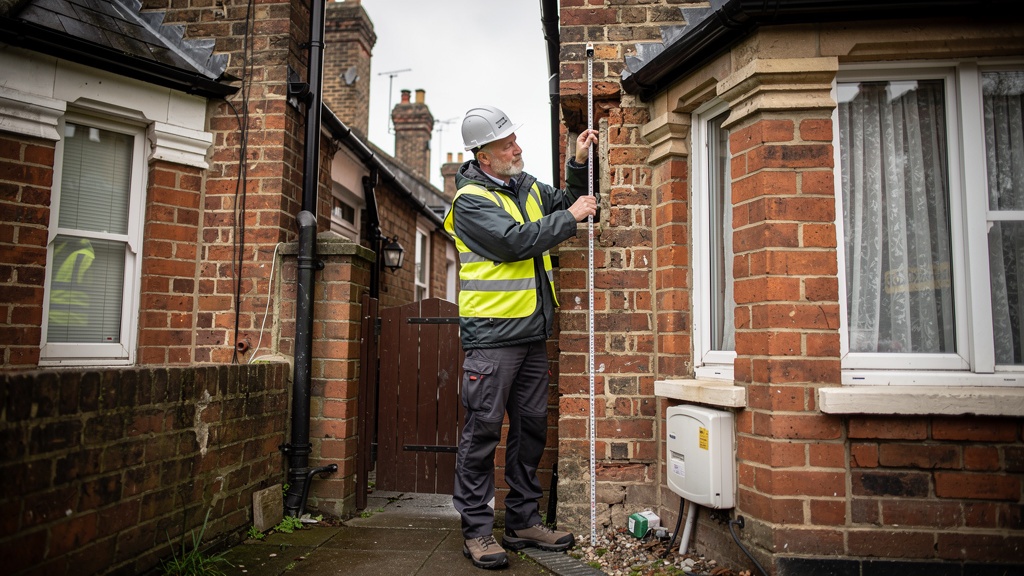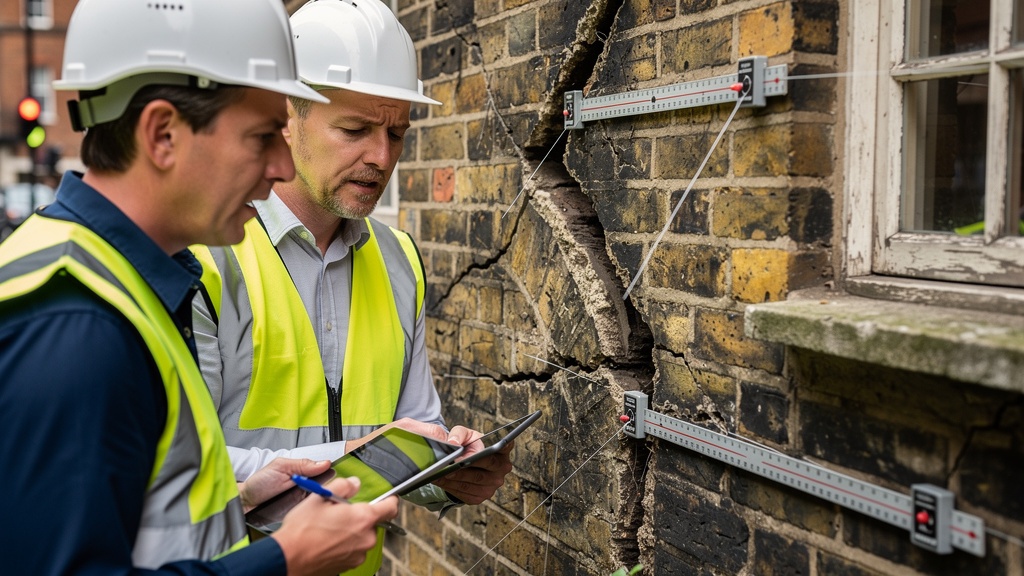
A loft conversion is one of the most popular home improvements in Hammersmith and across West London — and for good reason. Done well, it can add 20% or more to your property's value and create a beautiful new bedroom or office without the upheaval of moving. But before you call an architect or get excited about Pinterest boards, there's a critical step that too many homeowners skip: getting a proper loft conversion survey first.
I've seen it too many times in my fifteen years as a surveyor in West London. A homeowner spends £3,000 on architect drawings, submits a planning application, and only then discovers that their Victorian terrace roof simply doesn't have enough headroom for habitable space. Or that the floor joists can't take the new load. Or that serving notice on their neighbour triggers a dispute that delays the project by eight months.
None of that is inevitable. A good loft feasibility survey — typically costing £350–£650 — tells you everything you need to know before you spend a penny on design. This guide explains what that survey covers, and what to watch out for.
Why You Should Survey Before You Plan
The natural impulse is to start with an architect. They're exciting to work with, they draw lovely pictures, and they make your vision feel real. The problem is that architects design to a brief — they don't always start by stress-testing whether the structure beneath them can support that brief.
A structural surveyor approaches the same project from the opposite direction. We start with the building as it is: the existing roof pitch, the condition and size of the floor joists, the state of the existing walls, and any features (chimney breasts, hipped roofs, party walls) that will affect what's possible.
Getting this sequence right also helps when you do approach your architect. Rather than working from assumptions, they'll have a clear picture of your structural constraints and possibilities from day one. The result is more efficient design work and fewer costly revisions.
The Headroom Check: The First Hurdle
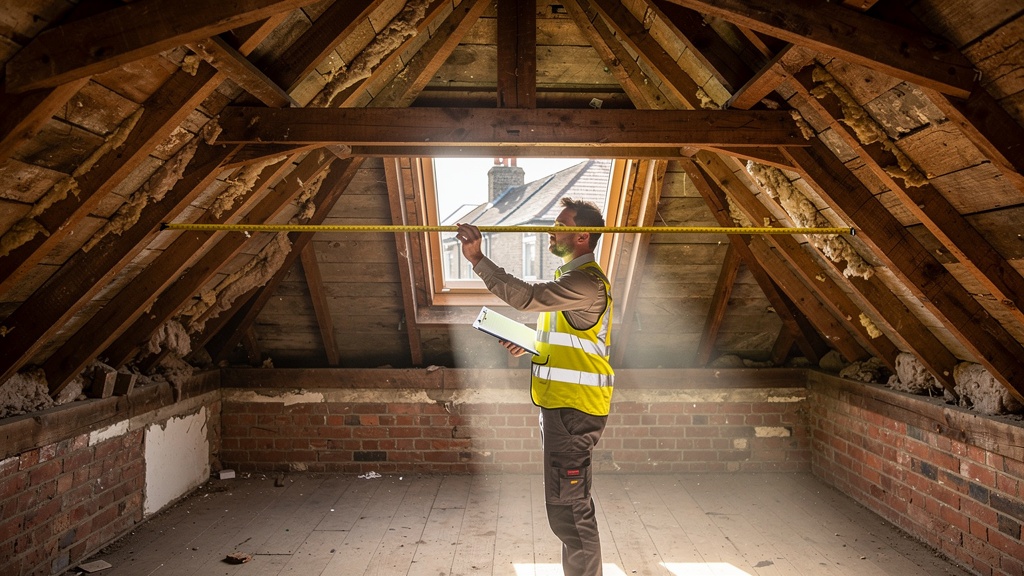
Building Regulations require a minimum headroom of 2.2 metres at the highest point of the converted loft. In practice, you want more — 2.4m or above — for a comfortable living space that feels generous rather than cramped.
The headroom in an unconverted Victorian terrace loft is measured from the existing ceiling joists up to the underside of the ridge beam. In many West London terraces built between 1880 and 1910, this ridge height falls between 2.3m and 2.6m — tight, but often workable. Some later inter-war properties are more generous.
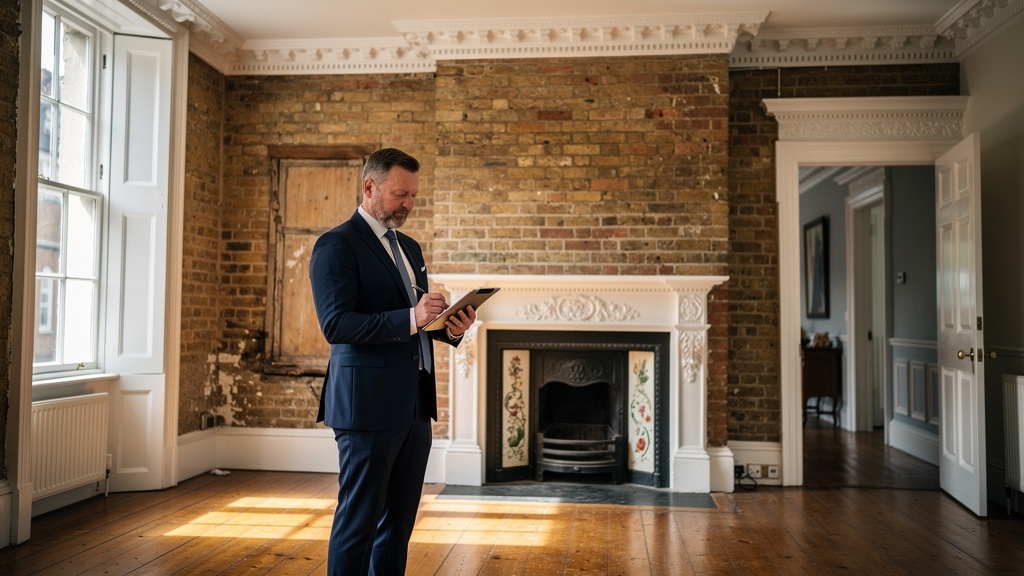
When headroom is marginal, a dormer extension — which adds a box-shaped projection to the rear slope of the roof — is often the solution. This dramatically increases the usable floor area and standing height. Mansard conversions offer even more space but typically require full planning permission.
Structural Assessment: Can Your House Take It?
A loft conversion adds significant weight to your home. Converting a typical Victorian terrace loft into a habitable bedroom adds roughly 3–5 tonnes of load to the structure — from new floor joists, insulation, plasterboard, furniture, and the people using the space.
Your surveyor will assess several key structural elements:
- Existing floor joists: The joists that currently form the "floor" of your loft (the ceiling of the room below) are almost certainly too shallow to carry habitable floor loads. New, deeper joists — or steel beams — will be needed alongside them.
- Roof structure type: Pre-1960s houses typically have "cut roof" construction — individual rafters and purlins that are easy to work with. Post-1960s houses often have prefabricated trussed rafters, which are much harder to convert because the triangulated structure provides strength through its geometry, not its mass.
- Load-bearing walls: New steel beams used to create the loft floor need to bear onto load-bearing walls. Your surveyor maps these out and flags any areas where the existing wall structure may need reinforcement.
- Foundations: In most Victorian London terraces, foundations are adequate. But if your property already shows signs of settlement or movement, a loft conversion could exacerbate existing issues.
Party Wall Notices and Neighbour Rights
Most loft conversions in terraced and semi-detached London homes require action under the Party Wall Act 1996. The Act protects both you and your neighbours during construction work that could affect shared walls or structures.
You'll need to serve a Party Wall Notice if your loft conversion involves:
- Raising or extending the party wall
- Building a dormer that connects to or bears on the party wall
- Installing structural beams that cut into the party wall or bear on it
- Cutting into the party wall at all
You must serve written notice at least two months before work starts. Your neighbour has three options: consent, dissent (which triggers the party wall surveyor appointment process), or fail to respond (deemed dissent after 14 days).
The good news is that most neighbours consent without dispute, especially if you explain the work clearly and are respectful in your approach. Our surveyors often help clients draft their initial neighbour letters to head off potential issues before formal notices are served.
Planning Rules: Permitted Development vs Full Permission
The planning situation for loft conversions in London is more complex than many homeowners realise. Under permitted development (PD) rights, you can convert a loft without full planning permission, provided you stay within certain limits.
For a terraced house, the key PD rule is a volume limit of 40 cubic metres of additional roof space. For detached and semi-detached houses, the limit is 50 cubic metres. Critically, any addition must not protrude above the existing roof slope at the front of the property.
However, PD rights are removed or restricted if:
- Your home is in a conservation area (most of central Hammersmith is)
- Your home is a listed building
- PD rights were removed by an Article 4 Direction when the estate was built
- Your original roof has already been extended beyond PD limits previously
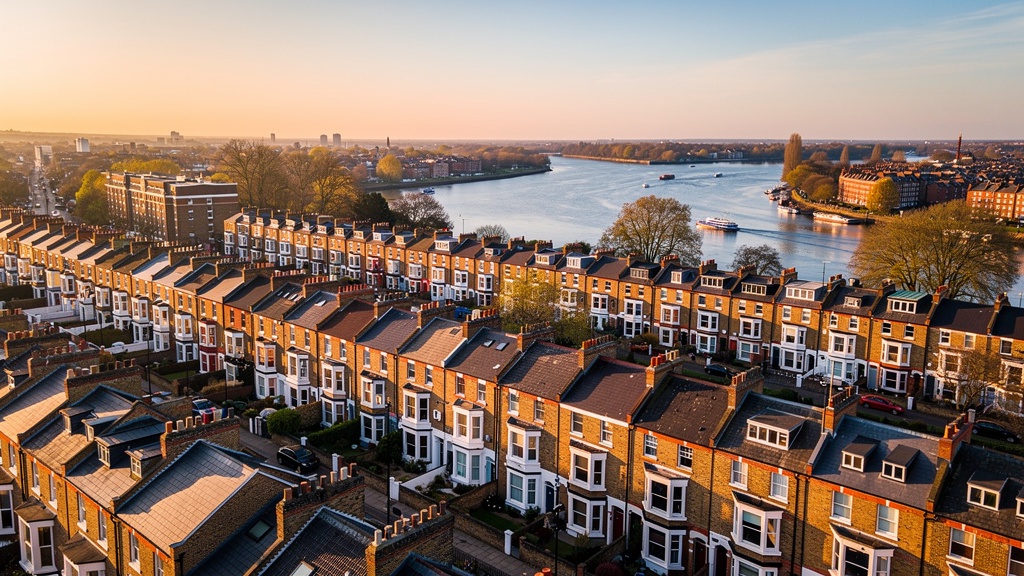
We always recommend checking with London Borough of Hammersmith & Fulham's planning department or applying for a Certificate of Lawful Development before starting work. This gives you legal protection and makes it much easier to sell the property later.
Types of Loft Conversion — Which Is Right for Your Property?
Once your surveyor confirms feasibility, your architect will discuss the best conversion type for your property. Here's a plain-English guide to the main options:
- Rooflight / Velux conversion: The simplest and cheapest option. No structural changes to the roof shape — just new floor joists, insulation, plasterboard, and roof windows. Only works if headroom is already sufficient (2.2m+). Typically costs £25,000–£45,000.
- Dormer conversion: A box-shaped extension to the rear roof slope. Adds significant floor area and headroom. The most common type in West London terraces. Typically costs £35,000–£60,000.
- Hip-to-gable conversion: For semi-detached and detached houses with a "hipped" (sloping) end wall. The hip is rebuilt as a vertical gable, dramatically increasing space. Typically costs £40,000–£65,000.
- Mansard conversion: The most dramatic option — the entire rear roof slope is replaced with a near-vertical mansarded wall with a flat or low-pitched roof. Maximum space. Requires planning permission. Typically costs £50,000–£80,000.
What Does a Loft Conversion Survey Cost?
A structural/feasibility survey specifically for loft conversion purposes typically costs £350–£650 in West London. This covers:
- Physical inspection of the existing loft space (headroom measurements, joist sizes, roof structure type)
- Assessment of load-bearing walls and existing structural condition
- Written report covering feasibility, structural requirements, and key planning/party wall considerations
- Recommendations on the most appropriate conversion type
If you also need a full Level 3 Building Survey of the property (e.g., you're buying a house with loft conversion potential), we can often combine both assessments at a reduced combined fee.
Key Takeaways
- Always commission a structural feasibility survey before paying for architect drawings or planning fees.
- Minimum required headroom is 2.2m — but 2.4m+ makes for a comfortable room.
- Most Victorian terraced houses need new floor joists or steel beams to carry habitable loads.
- If your home is in a conservation area (much of Hammersmith), permitted development rights are restricted.
- Party Wall Notices must be served at least two months before work starts on most terraced homes.
- A feasibility survey costs £350–£650 and can save thousands in abortive design fees.
Frequently Asked Questions
Most loft conversions fall under permitted development rights in London, meaning you don't need full planning permission. However, you must keep within strict volume limits (40 cubic metres for terraced houses, 50 for detached/semi-detached), and you cannot extend beyond the existing roof plane at the front. If your home is in a conservation area or is listed, different rules apply and you'll likely need consent. We always recommend applying for a Certificate of Lawful Development for extra protection.
Building Regulations require a minimum headroom of 2.2 metres at the highest point of the converted space. In practice, most surveyors recommend at least 2.4m for a comfortable living space. Victorian terraced houses in Hammersmith often have ridge heights that just meet the minimum — your surveyor can measure this precisely before you spend money on architect fees.
Almost always yes, if you live in a terraced or semi-detached house. Any work on or near the party wall — including raising a party wall, installing beams, or building a dormer that touches the shared wall — requires a Party Wall Notice to your neighbours. You must serve this at least two months before work starts. If your neighbour consents in writing, no further action is needed. If they dissent, party wall surveyors are appointed.
A structural survey focused on loft conversion feasibility typically costs £350–£650 in West London. This includes an assessment of the existing roof structure, floor joists, load-bearing walls and foundations. It's money very well spent — we've seen clients save thousands by finding out early that their roof structure needed significant reinforcement.
Not always. Some Victorian terraces have pitched roofs that are too shallow, giving insufficient headroom even after a dormer. Others have roof structures that would require substantial and expensive reinforcement. The best approach is to get a feasibility survey first — it costs a few hundred pounds and can save you thousands in abortive architect and planning fees.
Before You Call an Architect, Call a Surveyor
A loft conversion is one of the best investments you can make in a London property. But "can we do a loft conversion?" is a structural question before it's a design question. The right starting point is always a proper feasibility survey.
At Hammersmith Surveyors, we carry out loft conversion feasibility surveys across W6, W4, W8, W14, SW6 and SW10. We'll tell you what's possible, what it'll take structurally, what planning and party wall obligations you have — and we'll do it in plain language you can actually use.
If you're thinking about a loft conversion and want an honest assessment before committing, get in touch today. We offer a free initial phone consultation to talk through what you're planning.