The Party Wall etc. Act 1996 is one of those pieces of legislation that most homeowners don't think about until the day they need it — and then suddenly find themselves completely unprepared. Either you're planning building works and need to notify your neighbours, or your neighbour has just announced they're starting a major project that could affect your home.
At Hammersmith Surveyors, our party wall surveyor Michael Okafor handles dozens of party wall matters every year across West London. Here's your complete, plain-English guide to the Party Wall Act 1996.
What Is the Party Wall Act 1996?
The Party Wall etc. Act 1996 is a piece of legislation that provides a framework for preventing and resolving disputes relating to party walls, boundary walls, and excavations near neighbouring buildings. It applies throughout England and Wales.
The Act gives building owners the right to carry out certain types of work to shared or boundary structures, but requires them to notify their neighbours in advance. It also provides a mechanism for resolving any disputes that arise.
When Does the Act Apply?
The Act applies to three types of work:
Section 2 Works — Party Wall Works
Works to a party wall (a wall shared between two properties) or party structure (a floor or ceiling shared between flats). This includes:
- Cutting into a party wall to insert beams, RSJ supports, or damp-proofing
- Raising or reducing the height of a party wall
- Demolishing and rebuilding a party wall
- Underpinning a party wall
Section 1 Works — New Boundary Walls
Building a new wall on or astride the boundary between properties.
Section 6 Works — Excavations
Excavating within 3 metres of a neighbouring building (where the excavation goes deeper than the neighbouring foundations), or within 6 metres where a specific depth requirement is met. This most commonly affects basement conversions and deep extensions in London.
The Notice Process
If your proposed works fall under the Act, you must serve written notice on all adjoining owners:
- Section 1 notice: At least 1 month before the proposed start date
- Section 2 notice (party structure notice): At least 2 months before the proposed start date
- Section 6 notice: At least 1 month before the proposed start date
The notice must include your name and address, the address of the building, a description of the proposed works, and the planned start date.
What Happens After Notice Is Served?
Your neighbour has 14 days to respond. They can:
- Consent: Works can proceed without surveyors being appointed
- Dissent: Both parties must appoint party wall surveyors (either a single agreed surveyor, or one each)
- Do nothing: Treated as a dissent after 14 days
If surveyors are appointed, they will produce a Party Wall Award — a legally binding document that sets out the scope of works, the surveying procedure, and any safeguards or compensatory arrangements.
Important: The building owner (the person doing the works) pays for BOTH surveyors' fees — their own and their neighbour's. This is why it's worth choosing an experienced party wall surveyor who works efficiently.
The Schedule of Condition
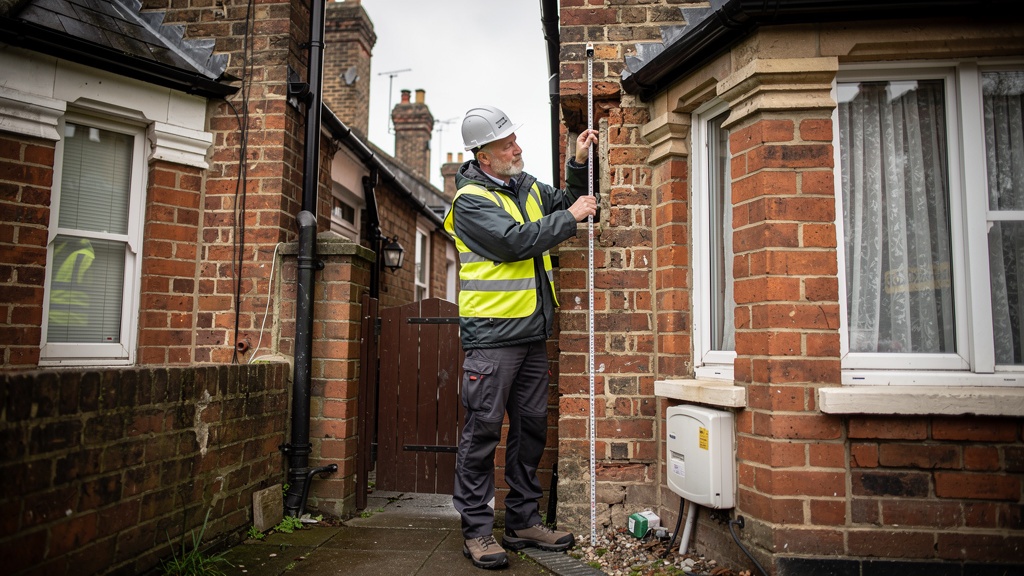
Before notifiable works begin, the party wall surveyor will usually carry out a schedule of condition — a detailed photographic record of the current state of the adjoining property. This protects both parties: if damage occurs during works, the schedule provides evidence of what pre-existed the works.
What If My Neighbour Is Uncooperative?
The Act provides protection. If your neighbour refuses to appoint a surveyor, you can appoint an "ex-parte" surveyor to act on their behalf as well as yours — known as an Agreed Surveyor. The process continues legally even without the neighbour's active participation.
Equally, if you're the adjoining owner and your building owner neighbour hasn't served notice, you can seek an injunction to stop the works until proper notice is given. This is rare, but important to know about.
Case Study: A Fulham Basement Conversion
A homeowner on Munster Road in Fulham engaged us to serve party wall notices on their three adjoining neighbours ahead of a basement conversion. One consented immediately. One dissented and appointed their own surveyor. The third didn't respond within 14 days, resulting in an automatic dissent.
We produced Party Wall Awards for both dissenting neighbours within six weeks, carrying out thorough schedules of condition of both properties first. The works proceeded smoothly, and a minor crack that appeared in one neighbour's wall during excavation was quickly resolved under the terms of the Award — without any dispute.
FAQs on the Party Wall Act
Do I need a party wall agreement for a loft conversion?
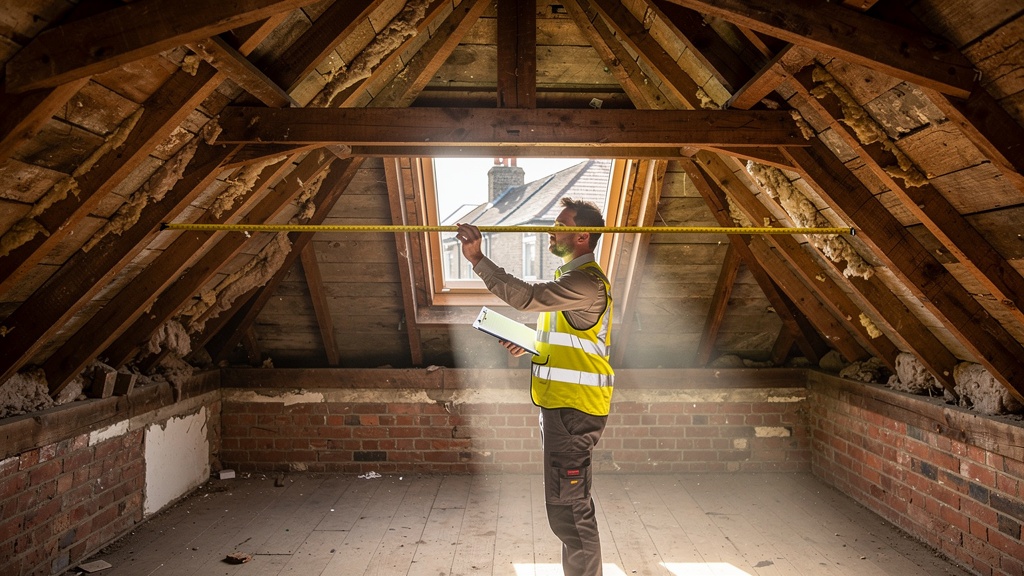
Usually yes — if your loft conversion involves cutting into a party wall (to insert steel beams, for example), this falls under Section 2 of the Act. You must serve notice on adjoining neighbours.
How much does a party wall surveyor cost?
Party wall surveyor fees typically range from £700–£2,500 per party wall award, depending on complexity. As building owner, you pay for both surveyors.
Can I carry out works without following the Act?
Technically, you can — but it's a significant risk. Your neighbour can obtain an injunction to stop the works, and you could face a damages claim if the works cause any harm. Most mortgage lenders also require party wall compliance as a condition of approving building works.
The Bottom Line
The Party Wall Act is there to protect everyone — building owners and neighbours alike. If you're planning notifiable works in Hammersmith or West London, contact our party wall team early. The sooner you start the process, the less it delays your project.