Subsidence is one of the most feared words in property ownership — and one of the most misunderstood. Most cracks in London properties are not subsidence. But when they are, acting quickly — and getting the right professional evidence — makes all the difference to your insurance claim and your property's future value.
What Is Subsidence?
Subsidence occurs when the ground beneath a building's foundations moves downward unevenly, causing the structure above to crack or distort. It's distinct from settlement (which is normal, gradual, and usually harmless) and from heave (upward movement of the ground, often caused by tree removal).
True subsidence is less common than many homeowners fear — but when it does occur, repair costs can run from £5,000 for minor underpinning to £50,000+ for significant structural remediation.
Signs of Subsidence in London Properties
Not all cracks indicate subsidence, but these specific signs warrant professional investigation:
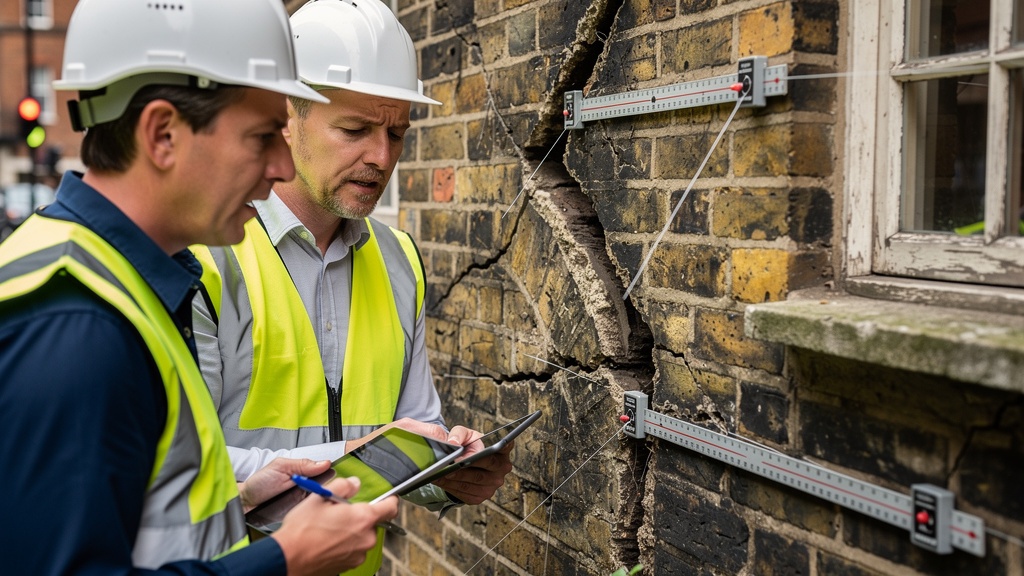
- Diagonal cracks running at 45° angles from door or window corners, typically wider at one end (tapered)
- Cracks that pass through brickwork rather than following mortar joints
- Cracks wider than 3–5mm that are visible on both internal and external walls
- Doors and windows that stick or have suddenly become difficult to open
- Visible lean or bow in external walls when viewed from distance
- Gaps appearing between walls and ceilings, or between floors and skirting boards
Important Distinction
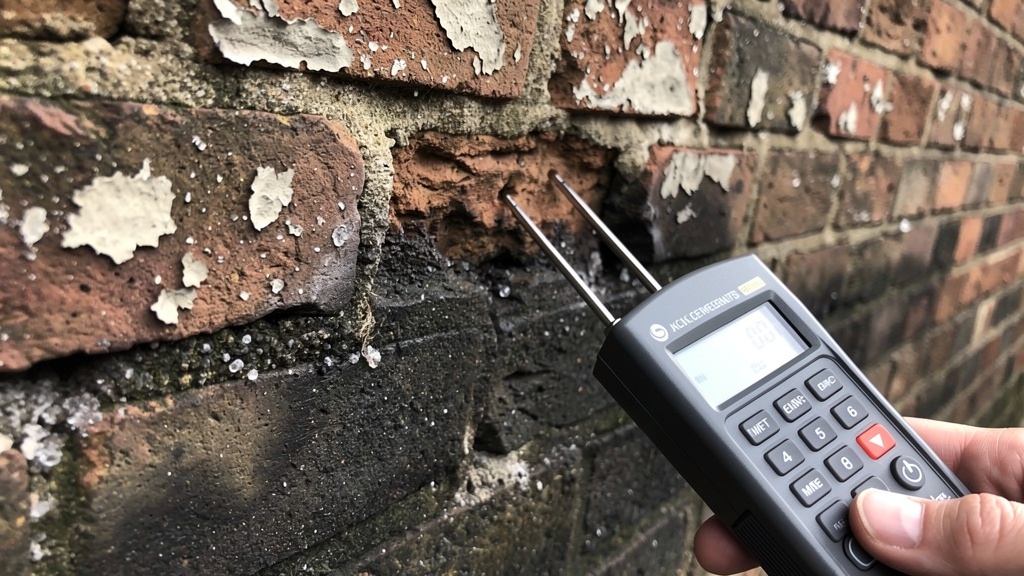
Hairline cracks in plaster (under 1mm), horizontal cracks in mortar joints, and small cracks around door frames are almost always normal thermal movement or settlement — not subsidence. Don't panic, but do monitor.
Common Causes in West London
London's clay subsoils are shrink-swell clays — they expand when wet and contract when dry. This natural movement is significantly amplified by:
- Tree roots — the most common cause in London. Mature trees (especially oaks, willows, poplars) draw water from the soil, causing clay shrinkage beneath foundations. Most significant within 5–10 metres of the property.
- Leaking drains — water from cracked drain pipes softens the ground and washes away fine soil particles beneath foundations.
- Prolonged drought — recent hot, dry summers have caused significant clay shrinkage across West London. 2018, 2022, and 2023 all produced significant subsidence claims.
- Poorly designed or shallow Victorian foundations — many Victorian properties have foundations only 600mm deep, leaving them more vulnerable to clay movement.
When It's NOT Subsidence
The majority of cracking we see in West London properties is caused by: thermal movement (buildings expand and contract with temperature), normal long-term settlement (especially in properties under 10 years old), shrinkage of new plaster or concrete, or minor movement due to vibration. These don't require structural intervention — just monitoring and, if cosmetically bothersome, re-decoration.
What to Do If You Suspect Subsidence
- Document it — photograph all cracks with a ruler/coin for scale and a date marker. Note when you first noticed each crack.
- Monitor it — buy crack monitoring gauges (telltales) for £5–10 each at builders' merchants. These detect movement over time.
- Don't fill cracks — filling cracks before they've been professionally assessed destroys evidence and is counterproductive.
- Contact your insurer — notify your buildings insurance provider. Most policies cover subsidence, though excess can be high (often £1,000–£2,500).
- Get a RICS survey — an independent structural or building survey from a RICS-accredited surveyor provides an objective assessment and is often required to support an insurance claim.
Making an Insurance Claim
When you make a subsidence claim, your insurer will typically appoint their own loss adjuster and structural engineer. This process can take months. Key points to know:
- You are entitled to appoint your own independent surveyor to advise you and review the insurer's reports
- Insurers may offer to treat cracks cosmetically without investigating underlying causes — push back on this
- Monitor periods (usually 12 months) are standard to confirm whether movement has stabilised before remediation works begin
- Underpinning is often the last resort — many cases resolve with drainage repairs, tree removal, or simply monitoring
How a RICS Survey Helps Your Claim
An independent RICS Level 3 Building Survey or structural report provides: objective documentation of defects and their likely causes; professional opinion on whether movement is active or historic; and recommendations for further investigation (CCTV drain surveys, trial pits, arboricultural reports). This independent evidence is invaluable when dealing with insurers and protects you from being fobbed off with cosmetic-only repairs.
Buying a Property with Subsidence History
Properties with a history of subsidence are not necessarily properties to avoid — but they require careful assessment. Key questions: Is the movement active or historic? Has underpinning been carried out, and is there a guarantee? Is the cause (e.g. tree, drain) still present? Will buildings insurance be available and at what premium? A specialist RICS Building Survey can answer all of these questions and help you make an informed decision.
Key Takeaways
- ✅ Most cracks in London properties are NOT subsidence — but don't ignore tapered diagonal cracks
- ✅ London's shrink-swell clay soils make tree roots and leaking drains the main subsidence triggers
- ✅ Notify your insurer promptly — delays can complicate claims
- ✅ Get an independent RICS survey — don't rely solely on your insurer's engineer
- ✅ Don't fill cracks before they've been professionally assessed
- ✅ Properties with historic subsidence can be excellent purchases — with the right independent advice
Concerned About Cracks or Subsidence?
Our RICS surveyors provide independent structural assessments across West London. Call us for free initial advice.
Get a Free QuoteFrequently Asked Questions
What are the signs of subsidence in a London property?
Key signs include diagonal cracks running at 45° from door or window corners (wider at one end), cracks passing through brickwork rather than mortar joints, cracks wider than 3–5mm visible on both walls, and doors or windows that suddenly stick. Hairline plaster cracks are usually normal thermal movement, not subsidence.
Does buildings insurance cover subsidence?
Most standard buildings insurance policies cover subsidence, but the excess is typically high — often £1,000–£2,500. You must notify your insurer promptly. An independent RICS survey report strengthens your claim considerably and protects you from being offered cosmetic-only repairs.
How much does subsidence repair cost?
Minor cases requiring drainage repairs or tree removal may cost £5,000–£15,000. Underpinning a section of a terraced house typically costs £15,000–£30,000. Full underpinning can reach £50,000+. Many cases resolve without underpinning if the underlying cause is addressed early.
Should I buy a property with a history of subsidence?
Not necessarily avoid — but approach with care. Commission a specialist RICS Level 3 Building Survey to determine whether movement is active or historic, whether underpinning has been done and guaranteed, and whether buildings insurance will be available. Many properties with historic subsidence are safe purchases with the right professional advice.