Don't leave your biggest financial decision to chance. Our RICS surveyors share the 10 most important things to check before buying any property in London — the issues that cost buyers thousands when they're missed.
1. Roof Condition
The roof is typically the most expensive single repair on any property — costs can run from £5,000 for a partial re-roof to £30,000+ for a full replacement on a Victorian terrace. Yet it's often the least visible element during a viewing.
Look for: missing or slipped tiles/slates, sagging ridge lines, dark staining (moss and algae retention), rusted or cracked flashings around chimney stacks, and signs of previous patch repairs. From outside, binoculars are a useful tool. From inside, inspect the loft if accessible — daylight visible through gaps is a clear red flag.
Surveyor's Tip
Ask the seller when the roof was last replaced. Slate roofs last 80–100 years; concrete tile roofs 40–60 years. If the answer is "never" on a Victorian property, budget accordingly.
2. Signs of Damp
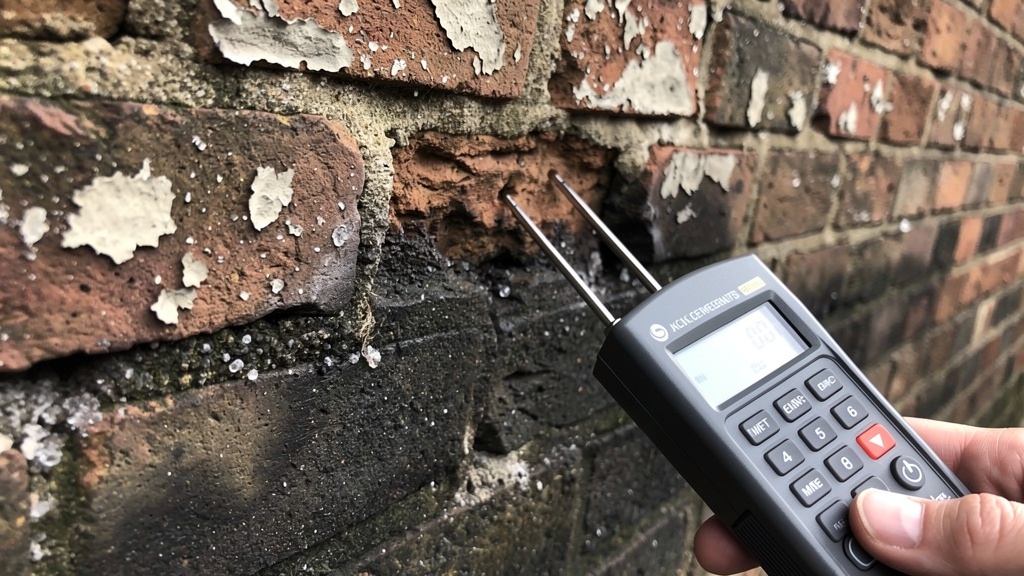
Damp is the most commonly flagged issue in RICS Level 2 and Level 3 surveys in West London. Victorian properties are especially susceptible — they were built before damp-proof courses were standard, and many original DPCs have now failed.
Warning signs include: tide marks on lower walls, white salt deposits (efflorescence), musty smells, peeling wallpaper or bubbling paint near skirting boards, and black mould in corners. Don't rely on fresh paint — sellers frequently decorate over damp before viewings.
3. Structural Movement & Cracks
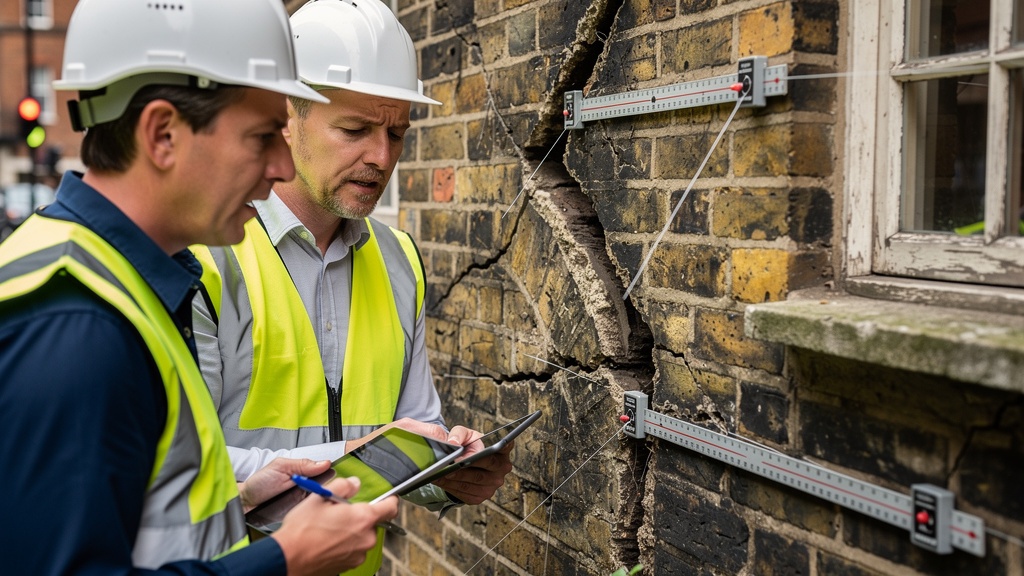
Not every crack is serious, but some are. Diagonal staircase cracks above door frames, wide cracks that taper and run through bricks rather than mortar joints, and cracks that are wider than 5mm all warrant professional investigation.
London's clay soils make properties particularly susceptible to subsidence — especially near mature trees, which draw water from the ground. Check for trees within 5–10 metres of the foundations, particularly oaks, willows, and poplars.
4. Electrics & Plumbing
An electrical installation condition report (EICR) is essential on any property over 25 years old. Look for signs of old wiring — brown-sleeved cables, round-pin sockets, or a fuse board rather than a consumer unit with RCDs. Rewiring a three-bedroom house in London typically costs £4,000–£8,000.
For plumbing, check water pressure from multiple taps simultaneously, look under sinks for staining or previous leaks, inspect the hot water cylinder if present, and ask when the boiler was last serviced. A boiler replacement costs £2,000–£4,000.
5. Drainage & Gutters
Blocked or broken gutters and downpipes are the single most common cause of damp in Victorian terraces. They're cheap to fix (£150–£400) but cause thousands of pounds of damage if left unchecked. Check for: debris-filled gutters, rust stains on external walls below gutters, and downpipes that discharge directly against the building.
For older properties, consider a CCTV drain survey (£200–£400). Collapsed or root-invaded drains are a common issue and can cost £3,000–£10,000 to repair — and they're not visible from a standard survey.
6. Windows, Doors & Insulation
Check that all windows and doors open and close freely — sticking doors can indicate structural movement. Inspect double-glazed units for misting (failed seals) — replacement glazing units cost £150–£400 per window. In conservation areas, permitted development rights for replacement windows may be restricted.
7. Floors & Ceilings
Bounce test timber ground floors — significant flex suggests joist damage or rot, often caused by underfloor damp or inadequate ventilation. Check for gaps between floorboards and skirting boards. On upper floors, look for ceiling cracks that run against the joist direction, and staining that might indicate bathroom leaks above.
8. External Walls & Pointing
Deteriorated mortar (repointing needed) is common on Victorian properties and allows water ingress. Look for deep, dark, or crumbling mortar joints — particularly on north-facing walls. Also check render: hairline cracks are usually fine, but areas where render has separated from the brickwork (sounds hollow when tapped) will need stripping and replacing.
9. Extensions & Alterations
Any extension built after 1948 should have had Building Regulations approval. Ask for completion certificates. Extensions without certification can cause issues on resale and with mortgage lenders. If a party wall is involved, party wall awards should be available. Loft conversions are particularly common sites of un-regularised work.
10. Boundaries & Legal Issues
Check title plans carefully — boundaries on Land Registry plans are indicative only, not definitive. Look for encroachments, boundary disputes with neighbours, rights of way across the property, and shared maintenance responsibilities for party walls, drains, or access roads. Your solicitor should handle these, but a surveyor can flag physical evidence of disputes.
Key Takeaways
- ✅ Always commission a RICS Level 2 or Level 3 survey — never rely on a mortgage valuation alone
- ✅ Check the roof carefully — from both inside and outside the property
- ✅ Damp is the most common issue in West London Victorian homes
- ✅ Get a CCTV drain survey on any property built before 1950
- ✅ Ask for Building Regulations certificates for any extensions or alterations
- ✅ Use a RICS surveyor — not just a general property inspector
Get a Professional Survey Before You Buy
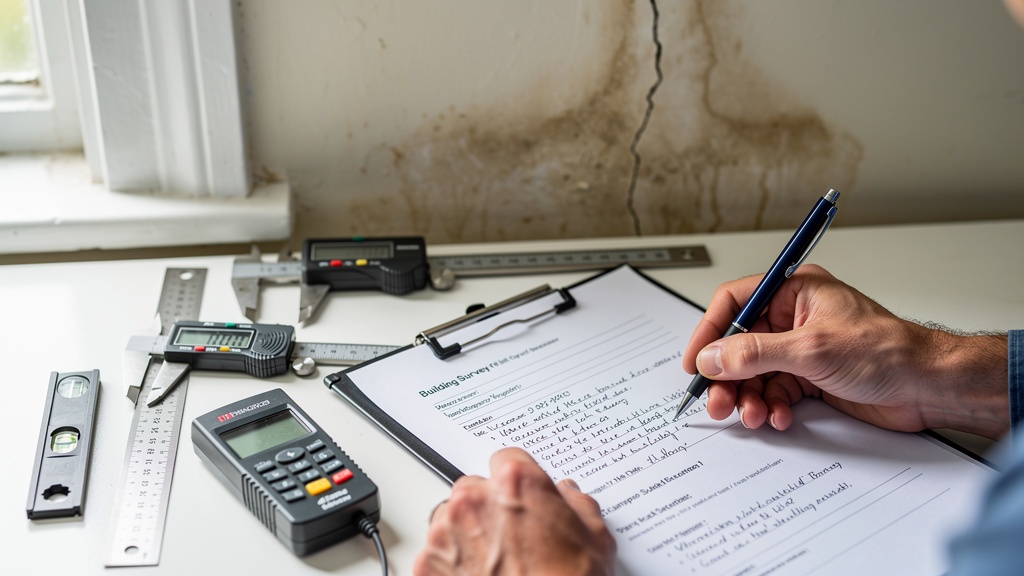
No checklist replaces a professional survey by a RICS-accredited surveyor. Our team has inspected thousands of properties across Hammersmith, Fulham, Chiswick, Shepherd's Bush, Richmond, and the surrounding areas. We know the common defects in local property types — and we won't miss the things that matter.
Contact us today for a no-obligation quote for a Level 2 HomeBuyer Report or Level 3 Building Survey. We typically turn around reports within 5 working days of inspection.
Ready to Book Your Survey?
Get a free, no-obligation quote from our RICS accredited surveyors. Fast turnaround, clear reports.
Get a Free QuoteFrequently Asked Questions
What should I check before buying a house in London?
The 10 most important things to check are: roof condition, signs of damp, structural movement and cracks, electrics and plumbing, drainage and gutters, windows and doors, floors and ceilings, external walls, extensions and alterations, and boundaries. Always commission a RICS Level 2 or Level 3 survey before exchanging contracts.
Do I need a survey if I'm getting a mortgage?
Yes. A mortgage valuation is not a survey — it is a brief check carried out for the lender's benefit, not yours. It will not identify defects that could cost thousands to fix. A RICS Level 2 HomeBuyer Report or Level 3 Building Survey is a separate, independent inspection carried out for you as the buyer.
How much does a home survey cost in London?
A RICS Level 2 HomeBuyer Report for a typical two-bedroom London flat typically costs £400–£650. A Level 3 Building Survey for a Victorian terraced house costs £600–£950. At Hammersmith Surveyors we provide fixed-fee quotes with no hidden charges.
What is the most common defect found in London surveys?
Damp is the most commonly flagged issue in RICS surveys of West London properties, particularly Victorian terraces. Roof defects and drainage problems are also extremely common. Properties built before 1919 are the most likely to have significant defects requiring attention.