If you own a rental property or are thinking of buying one in Hammersmith, Fulham or anywhere across West London, energy efficiency isn't just a "nice to have" anymore. It's a legal requirement — and the requirements are tightening. With proposed changes that could require all rental properties to reach EPC C by 2030, landlords need to understand their position now, not when the deadline arrives. Here's what you need to know from Hammersmith Surveyors.
I spoke recently to a landlord with three Victorian terraced properties in Fulham. All three were rated EPC D. Under current rules, that's fine — the minimum is E. But when I explained that proposed changes could require EPC C within four years, the conversation shifted dramatically. Two of his properties, with solid walls and no cavity, would need significant investment to reach C. He hadn't budgeted for this at all. He'd never really had to think about EPC ratings before.
He's far from alone. Many West London landlords and property owners have been caught off guard by how quickly energy efficiency has become central to property investment. This guide helps you get ahead of the curve.
What Is an EPC and How Does the Rating Work?
An Energy Performance Certificate (EPC) rates a property's energy efficiency on a scale from A (most efficient) to G (least efficient). It's calculated by a qualified domestic energy assessor, who inputs data about the property's size, construction type, heating system, insulation levels, glazing, and other factors into a standardised software model (called SAP — Standard Assessment Procedure).
The resulting score (1–100) maps to a letter band. The certificate also lists recommended improvements and estimates the score improvement and energy cost saving each one would deliver.
EPCs are required whenever a property is sold, let, or newly built. They're valid for 10 years — but if significant improvements are made, it makes sense to get a new assessment to reflect the improved rating.
Current Legal Requirements for Landlords
The Minimum Energy Efficiency Standards (MEES) currently require all privately rented properties in England and Wales to have a minimum EPC rating of E before a new tenancy can be granted. Since 2020, this applies to all tenancies — not just new ones.
The maximum permitted cost for improvements to reach the minimum standard is currently £3,500 per property. If you can demonstrate that improvements would cost more than this cap without reaching EPC E, you can register an "all improvements made" exemption. However, you must be able to document this properly.
Penalties for letting a property below EPC E without a valid exemption can reach £30,000 per breach. Enforcement has increased significantly in recent years, particularly in London boroughs.
Upcoming Changes: EPC C by 2030?
The current UK Government has proposed — but not yet legislated — a requirement for all new tenancies to achieve a minimum of EPC C from 2028, rising to all tenancies by 2030. The proposed cost cap for improvements is £15,000 per property.
These proposals have been on the table in various forms since 2021, and the timeline has shifted several times. It is not yet law. However, the direction of travel is clear: EPC standards for rented properties will rise. The question is when, not if.

Smart landlords are not waiting for legislation. They're using the current window of relatively lower contractor costs and government grant availability to upgrade their properties now, spreading the investment over time rather than facing a rushed scramble in 2028.
The Victorian Property Challenge
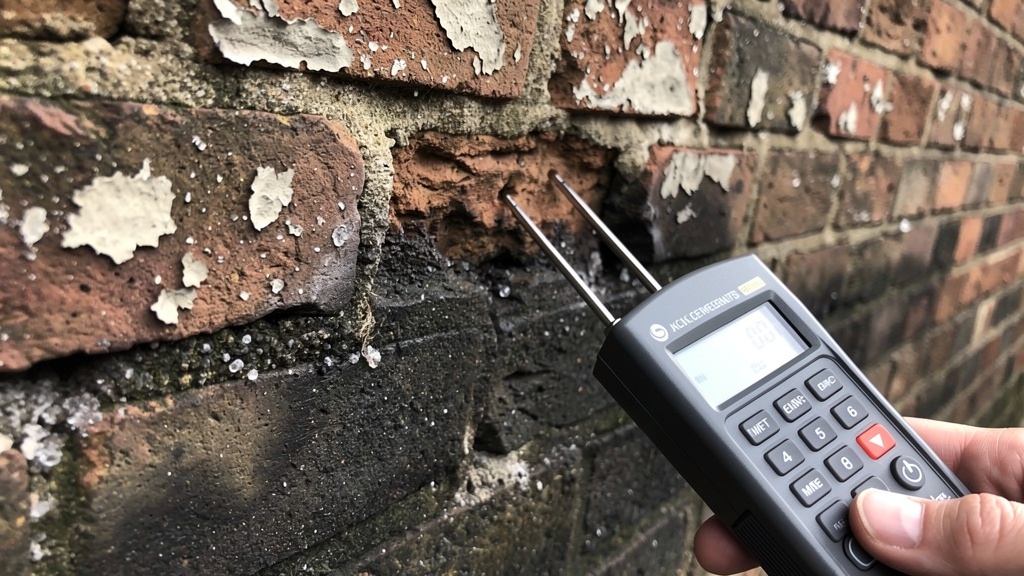
West London's housing stock is dominated by Victorian and Edwardian terraced houses — built with solid brick walls, single-glazed sash windows, and open fireplaces. These are genuinely challenging properties to retrofit efficiently, and the characteristics that make them architecturally beautiful (solid walls, high ceilings, sash windows) are often the same characteristics that make them energy-inefficient.
The key challenges are:
- Solid walls (no cavity): Victorian brick walls are typically 220–330mm of solid brick with no insulation. Cavity wall insulation (the cheapest wall insulation option) doesn't work — there's no cavity. External wall insulation or internal wall insulation are the main options, both of which are significantly more expensive and disruptive.
- Sash windows: Traditional timber sash windows are difficult to double-glaze. Secondary glazing (a second pane on the inside) is often the best option, particularly in conservation areas.
- High ceilings: More volume to heat, larger windows, more thermal mass. Victorian rooms are typically harder to heat efficiently than modern rooms of the same floor area.
- Victorian flats: Converted Victorian terrace flats often struggle particularly. Loft flats lose heat through the roof; ground-floor flats lose heat through uninsulated floors. The freeholder (not the individual leaseholder) typically controls the building fabric, making improvements complex.
How to Improve Your EPC Rating
Despite these challenges, meaningful EPC improvements are achievable on most Victorian properties. Here are the most effective measures, roughly in order of cost-effectiveness for West London Victorian terraces:
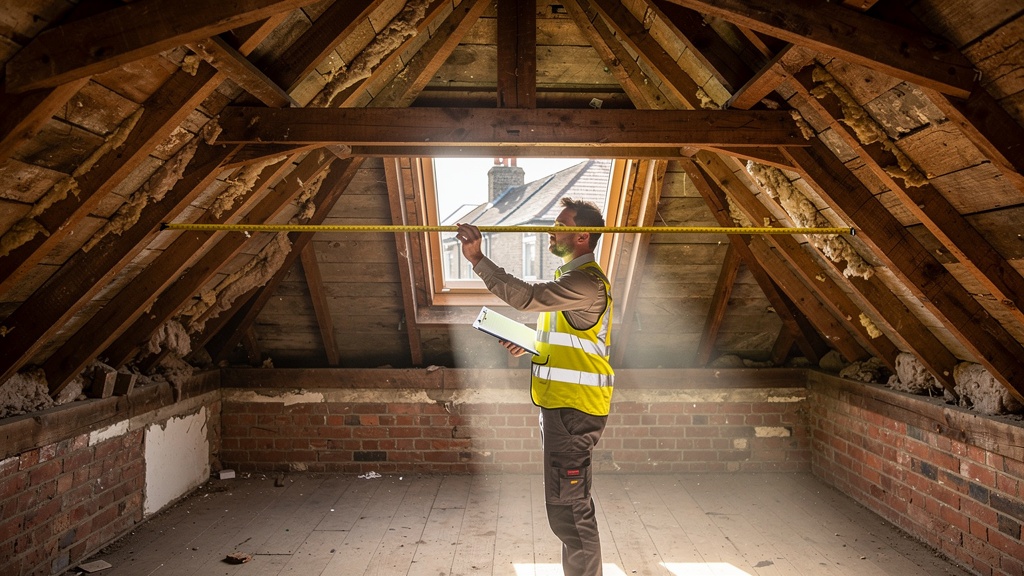
- Loft insulation (£300–£600): The single most cost-effective improvement for properties with accessible loft space. 270mm of mineral wool insulation can add 5–10 points to the EPC score. Government grants may be available through the Energy Company Obligation (ECO4) scheme.
- Modern condensing boiler (£1,500–£3,000): Replacing an old boiler (typically 65–70% efficient) with a modern condensing boiler (90%+ efficient) typically improves EPC by 5–15 points and reduces heating bills by 20–30%.
- Thermostatic radiator valves (£200–£500): Simple, inexpensive, and they add a point or two to the EPC score by demonstrating zoned heating control.
- LED lighting (£100–£300): Full LED lighting throughout adds 1–3 points to the EPC — small but easy.
- Secondary glazing (£2,000–£5,000): Good solution for sash windows where planning restrictions prevent double glazing. Adds 3–8 points depending on glazing area.
- Internal wall insulation (£6,000–£15,000): The big one for solid-walled properties. Adds 10–20 points to the EPC score but involves losing 100mm off each external wall, replastering, and moving skirting, architrave and electrics. Significant disruption but often the only way to reach EPC C on a solid-walled Victorian property.
Listed Buildings and Conservation Areas
If your property is a listed building, you may be exempt from EPC requirements. However, this exemption must be specifically registered — it's not automatic. The exemption applies when the measures needed to reach the minimum standard would "unacceptably alter" the character or appearance of a listed building.
Properties in conservation areas (a large proportion of West London, including much of Hammersmith) are not automatically exempt. However, planning consent may be needed for some improvements (external wall insulation, solar panels) and permitted development rights may be restricted. This requires careful planning advice.
Key Takeaways
- Current minimum EPC standard for rented properties is E — fines for breach can reach £30,000.
- EPC C is proposed as the new minimum for rentals by 2030 — not yet law, but the direction is clear.
- Victorian solid-walled properties are the most challenging to upgrade — plan and budget early.
- Loft insulation and boiler replacement are the most cost-effective starting points for most properties.
- Internal wall insulation is the most impactful measure for solid-walled properties but is expensive and disruptive.
- Listed buildings may qualify for EPC exemptions — but this must be registered, not assumed.
Frequently Asked Questions
Currently, all privately rented properties must have a minimum EPC rating of E. The Government has proposed raising this to EPC C from 2028 for new tenancies and 2030 for all tenancies — but this is not yet law. Landlords should plan for the proposed changes now.
For typical Victorian London properties, the most effective improvements are: loft insulation; modern condensing boiler; thermostatic radiator valves; LED lighting; secondary glazing; and internal wall insulation. Each measure is scored by an energy assessor — they can advise which gives you the best improvement per pound spent.
Listed buildings may qualify for exemption, but it must be registered — not assumed. Properties in conservation areas are not automatically exempt. Most Victorian properties are not listed and are subject to standard EPC requirements.
This varies enormously. A Victorian terrace currently rated EPC D might reach C with loft insulation, boiler upgrade and draught-proofing for £3,000–£8,000. A property rated F or G with no insulation might cost £15,000–£30,000+. Getting a detailed EPC with improvement recommendations is the essential first step.
Evidence increasingly suggests yes — around 2–4% premium for properties rated C or above vs D and below. As energy costs remain high and buyer awareness increases, this premium is likely to grow. EPC improvements are increasingly seen as a value-additive investment, not just a compliance cost.
Act Now — Before the Deadline Arrives
Energy efficiency is moving from a niche concern to a central factor in London property investment decisions. Whether you're a landlord preparing for new MEES requirements, a homeowner wanting to reduce bills and improve saleability, or a buyer assessing whether a property's low EPC rating creates a future liability — this is an area where informed advice pays for itself.
At Hammersmith Surveyors, we can assess your property's condition and work with qualified energy assessors to develop a practical improvement plan. Get in touch today to discuss your property's energy efficiency position.